


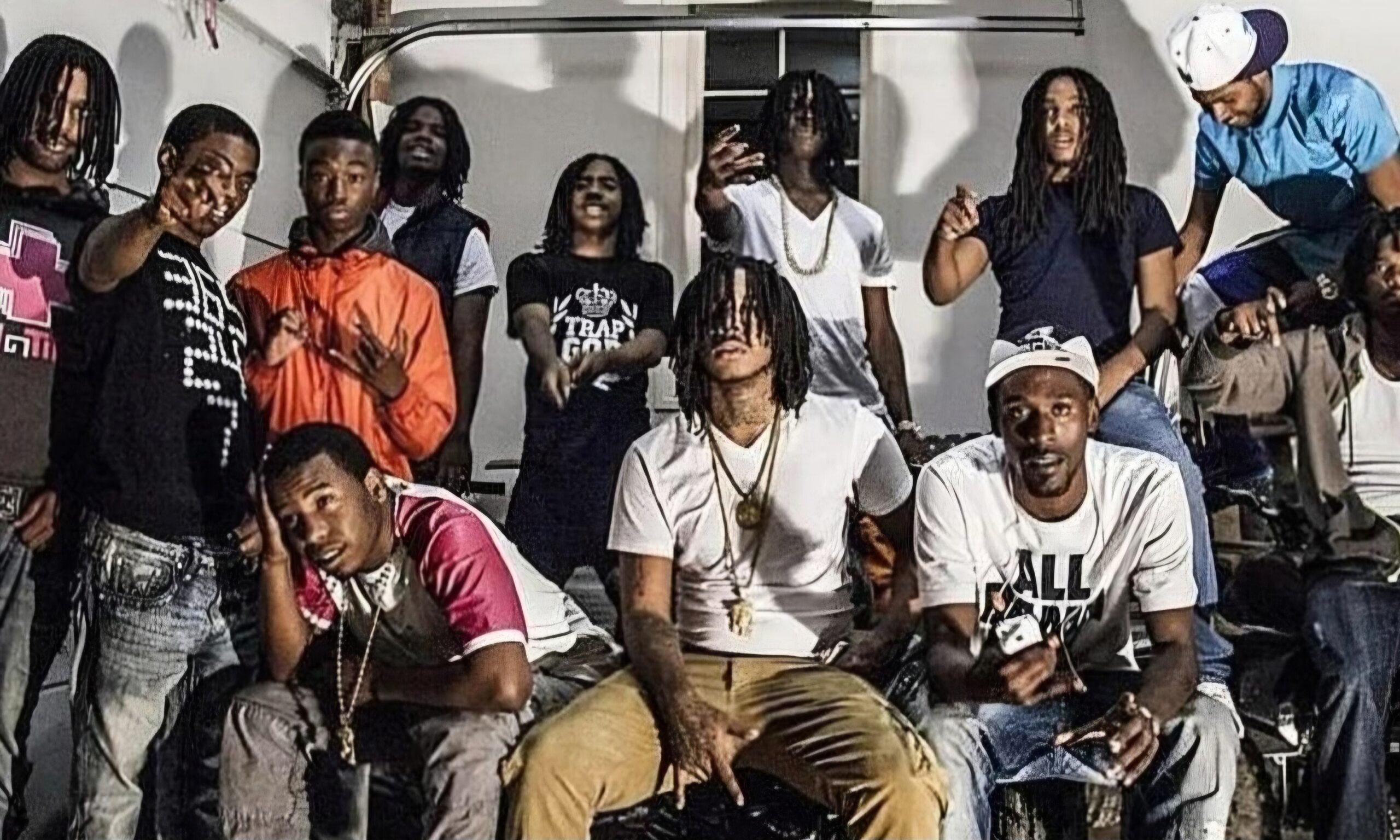
It is tempting to treat drill as one thing: a single, menacing rap sound that crime reporters point to whenever a young artist is arrested. But drill is not a genre so much as a system, a template that travels, mutates, and feeds back on itself. Chicago wrote the source code in the early 2010s. South London reprogrammed it. Brooklyn ran the London software on New York hardware and pushed the result onto the Billboard charts and into the Grammys. Understanding how these three scenes diverge, lyrically, sonically, legally, and commercially, is the only way to see drill for what it actually is: one of the clearest examples of how Black youth culture can globalize an idea and flip it into new forms almost overnight. [MasterClass]
The Source Code: Chicago’s South Side
Drill is repeatedly described as having been “birthed in Chicago” in the late 2000s and early 2010s, an aggressive, minimal cousin of Southern trap that channeled local street violence into dead-eyed, stripped-down rap. [FACT] The turning point was Chief Keef. His single “I Don’t Like” became his first entry on the Billboard Hot 100, and a high-profile G.O.O.D. Music remix, “Don’t Like,” featuring Kanye West, Pusha T, Big Sean, and Jadakiss, dragged the South Side sound out of YouTube obscurity and into national circulation. A bidding war followed, and Keef signed with Interscope. [Wikipedia]
Keef was the breakout, but he was part of a cohort (Fredo Santana, G Herbo, Lil Bibby, King Louie) that collectively established the sound and the narrative template, attracting major-label interest before the industry cooled on drill’s commercial prospects in the middle of the decade. [Wikipedia] What made early Chicago drill distinct was its language. Artists discarded metaphor and clever wordplay in favor of what reads like “unemotional reportage or recollection”, lyrics delivered with a flat, numbed affect that only amplified the bleakness of what they described. [MasterClass]
The production matched the words. Chicago producers like Young Chop locked in a template close to trap, heavy 808s, a 60-to-70-BPM half-time swing, skeletal arrangements, and melodies drenched in brooding menace. That sparse design left air for the flat, mantra-like flows that became the city’s signature. [MasterClass]